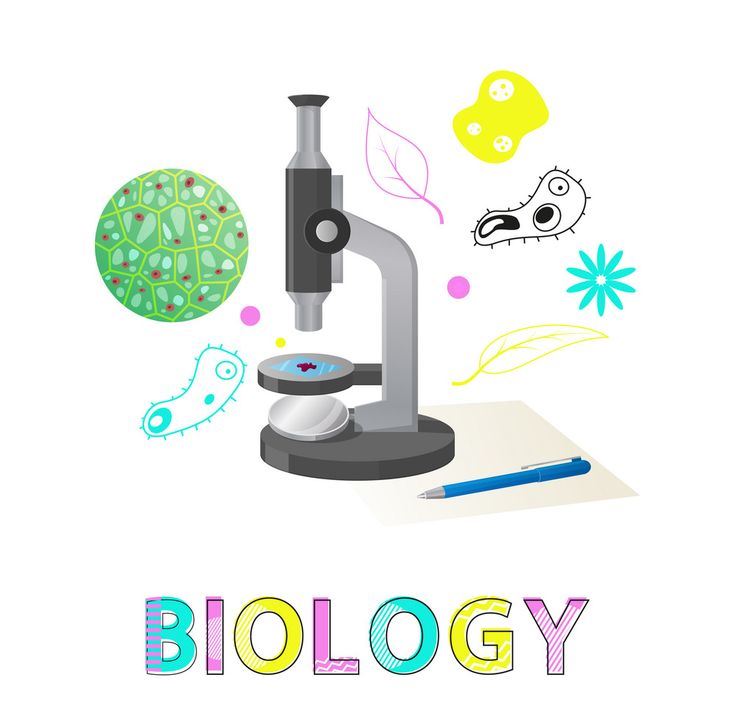
Biology
The Biology subject offered by the college provides students with a deep understanding of the living world, from cellular processes to ecological systems. The program combines theoretical learning with practical laboratory experience, emphasizing scientific inquiry, research skills, and the application of biological knowledge to real-world issues. It prepares students for careers in research, healthcare, environmental science, and education. Key features of the subject include:
Core Areas of Study:
- Cell Biology: Study of the structure and function of cells, including topics like cell division, genetics, and cellular metabolism.
- Genetics: Exploration of inheritance patterns, DNA structure and function, gene expression, and genetic disorders.
- Ecology: Examination of ecosystems, biodiversity, environmental conservation, and the impact of human activities on the environment.
- Physiology: Study of the functions and systems within organisms, including human physiology, plant biology, and the study of homeostasis.
Special Topics:
- Evolutionary Biology: Understanding the mechanisms of evolution, natural selection, adaptation, and speciation.
- Microbiology: Study of microorganisms, including bacteria, viruses, fungi, and their roles in health, disease, and the environment.
- Biotechnology: Exploration of the application of biological systems and organisms in technology and medicine, including genetic engineering and cloning.
- Human Biology: In-depth study of human anatomy, health, diseases, and medical advancements.
Skill Development:
- Scientific Inquiry: Developing critical thinking and problem-solving skills through hypothesis testing, experiments, and data analysis.
- Laboratory Techniques: Proficiency in using laboratory equipment, conducting experiments, and adhering to safety protocols.
- Data Analysis: Skills in analyzing biological data, interpreting results, and drawing valid conclusions.
- Research Skills: Training in scientific research methods, including designing experiments, literature reviews, and presenting findings.
Practical Learning:
- Laboratory Work: Hands-on experience in a variety of biological techniques, such as microscopy, dissection, DNA analysis, and ecological fieldwork.
- Field Studies: Opportunities for fieldwork to observe ecosystems, study biodiversity, and investigate environmental issues.
- Projects and Research: Independent research projects or group studies in topics like genetics, microbiology, or environmental science.
- Workshops and Seminars: Interaction with industry professionals, researchers, and healthcare experts to discuss current trends and challenges in biology.
Career Preparation:
The subject prepares students for careers in:
- Healthcare: Careers in medicine, dentistry, nursing, public health, and medical research.
- Environmental Science: Roles in conservation, environmental consulting, wildlife management, and sustainable development.
- Biotechnology and Pharmaceuticals: Work in genetic engineering, drug development, and clinical research.
- Education and Research: Teaching or academic research in biology, zoology, botany, or microbiology.
This program provides a strong foundation in biological sciences, fostering an understanding of life processes and their interconnections. It encourages students to engage with contemporary scientific issues, offering the knowledge and skills necessary to address global challenges in health, the environment, and technology.